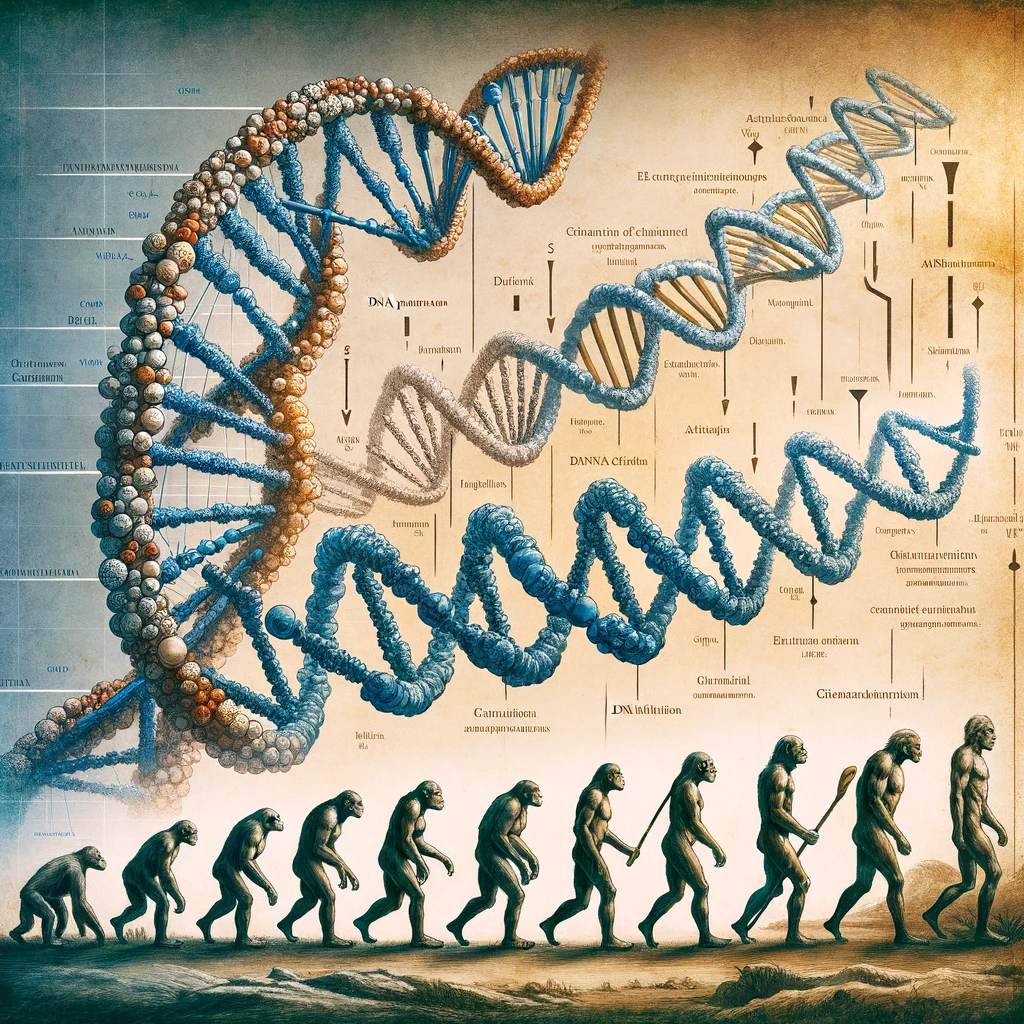
Scientists just looked at the DNA of ordinary people to see what happened when the Western Roman Empire collapsed. They found that life did not just stop or go quiet for everyone when the old rulers left. Instead, the bones and teeth of people from long ago tell a story of moving, mixing, and finding new ways to live in a changing world.
The news comes from researchers who studied the genetic maps of individuals who lived through these big shifts. It shows that while kings and generals fought over land, the regular folks were busy building a different kind of future. They moved across borders and settled in new places, bringing their own family histories with them. This study helps us see the real faces behind the history books.
Who were the people left behind?
When we think of the end of an empire, we often imagine burning buildings or empty streets. We think of the grand statues falling over and the big roads going to ruin. But the DNA evidence shows that the story is much more personal than that. It is a story about families and where they decided to call home.
The Western Roman Empire was huge and held many different groups of people together. When the central power in Rome started to fade, those people did not just disappear. The study looked at remains from various sites to see who was actually living there. It turns out that people from far away were moving in and joining the local communities.
This is not just about soldiers or rich lords. The DNA belongs to farmers, craftspeople, and parents who were just trying to get by. By looking at their genes, scientists can tell if someone grew up where they were buried or if they traveled a long way to get there. It gives us a map of human movement that we never had before.

Why the fall of Rome felt different for regular people
For a long time, historians thought the end of the Roman era was a time of total darkness. They called it the Dark Ages because they thought trade stopped and everyone stayed in one spot. This new research proves that was not the case at all. People were still active and connected to each other across long distances.
If you were a baker in a small town, you might not care who sat on a throne hundreds of miles away. You cared about your neighbors and your kids. You can read about how ancient people told the time without a clock to understand how their daily lives followed the sun and the stars. Their world was smaller in some ways, but bigger in others because they were meeting new people from different lands.
The DNA shows a mix of local blood and new arrivals. This suggests that the "fall" was more like a slow change. New cultures started to blend with the old Roman ways. It was like a giant soup where new ingredients were being added all the time. The flavor of Europe was changing, but the pot was still full.
How did scientists find these answers?
The process of getting DNA from very old bones is like being a detective. Scientists have to work in very clean rooms so they do not get their own DNA on the samples. They use tiny drills to get a bit of powder from a tooth or a bone. That powder holds the secrets of a person who lived over a thousand years ago.
Once they have the DNA, they compare it to other samples from across the world. If a person buried in Italy has DNA that looks like people from Northern Europe, it tells a story of travel. It shows that the borders were not closed. Even without fast cars or planes, people were finding ways to cross mountains and seas.
This work is part of a larger look at Ancient history and how it shaped us. Every tooth they test adds a new line to the story. We are learning that the past was much more colorful and busy than we used to think. It was not just a few big names doing everything.
What happened to the towns and farms?
Life in the country changed after the empire fell. In the Roman days, big farms sent food to the cities. When the empire broke apart, those trade lines changed. Farmers had to start growing food for their own villages first. They had to be smart and adapt to a world without a big government to protect them.
The DNA shows that people stayed in these rural areas for a long time. They did not all run away to the woods. They kept farming and kept their traditions alive. You can see more about these shifts on our main page for history news and stories from the past. It is clear that the end of an empire did not mean the end of the world for the average person.
Some towns actually got bigger because people felt safer living together. They built walls and shared their resources. The DNA tells us that these groups were not just one big happy family of relatives. They were often made up of different groups of people who decided to live and work side by side.
What does this tell us about our own history?
It matters because it shows that humans are very good at surviving. We can handle big changes in how our world is run. The people who lived after the Roman Empire fell were just like us. They had worries and hopes, and they found ways to make things work even when the "system" broke down.
When we look at the DNA, we see that we are all a mix of many different things. No group stayed perfectly pure or separate. We have been moving and mixing for thousands of years. This study reminds us that our history is shared. We are all part of a long chain of people who kept going, no matter what happened to the leaders in the big cities.
It also shows that ordinary people have a voice, even if they did not write books. Their genes are their voice. They tell us that they were there, they were moving, and they were building the world that would eventually become the Middle Ages. It is a powerful way to look at the past.
How the DNA changes the history books
Old history books used to focus only on dates of battles. They would say things like "Rome fell in 476 AD" and leave it at that. But a date does not tell you what happened to the person living in a small house near the coast. The DNA tells that story. It fills in the blanks that the old writers missed.
We now know that the movement of people was much more complex. Some people moved because they had to, like during a war. Others moved because they saw an opportunity for a better life. This sounds a lot like the world we live in today. It makes the people from 1,500 years ago feel very real and very close to us.
Is it possible that we have been wrong about other parts of history too? Probably. Every time we use new tools like DNA testing, we find out that the past was more interesting than we thought. It was full of surprises and people who did things we did not expect.
What will scientists look at next?
The study of ancient DNA is just getting started. There are thousands of more samples to test. Scientists want to look at different parts of the world to see if the same things happened there. Did the fall of other empires lead to the same kind of mixing and moving? We do not know for sure yet.
They are also looking for clues about health and food. DNA can tell us what kind of diseases people had and even what they ate. This helps us understand what their daily life was like on a very deep level. It is not just about who their parents were, but how they lived their lives from day to day.
We are still waiting to see more results from other regions. Each new report is like a piece of a puzzle. We are slowly putting together a picture of the human race that is more accurate than ever before. It is an exciting time to be interested in history because the news is changing every day.
It makes you wonder what people will find if they look at our DNA in a thousand years. What will they think of the way we move around the world today? They will probably see that we are just like the people who lived after Rome. We are a mix of everyone who came before us, and we are always finding new ways to keep the story going.
What do you think is the most surprising thing DNA could tell us about our ancestors? It is amazing how much a tiny tooth can reveal about the whole world.


0 Comments